Exploring the psychological effects of casino environments on player behavior
The Allure of Casino Design
The design of a casino is meticulously crafted to evoke specific emotional responses from players. Bright lights, vibrant colors, and a constant buzz of excitement create an environment that stimulates the senses. This sensory overload is not merely a byproduct of design; it is a deliberate strategy aimed at capturing and maintaining player attention. For example, you can find this strategy at mafia-casino.nz, where the ambiance encourages prolonged play, as players become enveloped in an exhilarating atmosphere that can lead to impulsive decisions and increased spending.
Moreover, the layout of casinos is intentionally disorienting. The absence of clocks and windows eliminates natural time cues, leading players to lose track of time. This design choice reinforces the desire to keep playing, as players become engrossed in the thrill of gaming without realizing how long they have been engaged. Additionally, the placement of games is strategic, with high-denomination machines often placed near the entrance, enticing players to try their luck and leading to a higher likelihood of larger bets.
The psychological effects of such design elements can significantly impact player behavior. For instance, the use of cheerful music and rewarding sounds when a player wins can create a dopamine rush, reinforcing the desire to play more. This feedback loop can lead to an addictive cycle, where players chase the euphoric feelings associated with winning, often overlooking the financial consequences of their gambling activities.
Social Dynamics in Gambling Environments
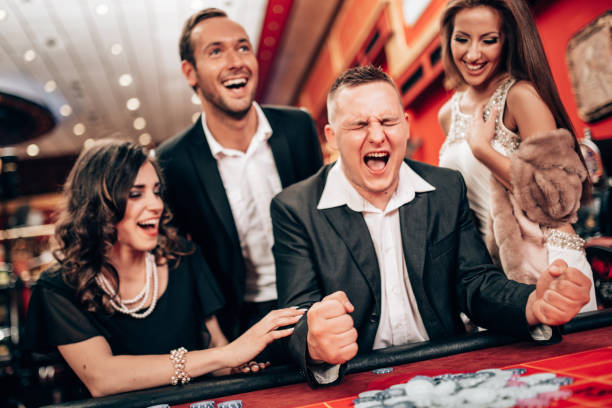
Casinos are not just places for solitary gambling; they are vibrant social hubs. The social interactions that occur within a casino can greatly influence player behavior. Many individuals visit casinos not only for the games but also for the social experience, engaging with friends, family, or even strangers. This social aspect can amplify emotional highs and lows, impacting decision-making processes. For example, players may feel more confident and likely to take risks when they are surrounded by others who are cheering them on.
The presence of other players can also create a sense of camaraderie, leading individuals to exhibit behaviors they might avoid in more solitary settings. For instance, a player might feel emboldened to place larger bets or try new games simply due to the collective excitement. This phenomenon illustrates the powerful influence of social dynamics on gambling behavior, where peer pressure and the desire for acceptance can lead to increased risk-taking.
However, the social environment can also foster a sense of competition, which may negatively impact decision-making. Players may feel compelled to match the bets of those around them, resulting in financial decisions based more on social influence than personal strategy or financial limits. This competitive drive can lead to a quicker depletion of funds, as players aim to keep up with or impress their peers rather than focusing on their individual gaming strategies.
The Role of Reward Systems
Casinos employ various reward systems designed to enhance player engagement and loyalty. These systems often include player cards, loyalty points, and comp rewards, creating an incentive structure that encourages repeat visits. The psychology behind these rewards is deeply rooted in the principles of operant conditioning, where behaviors are reinforced through rewards, making it more likely for players to return to the casino in hopes of receiving more benefits.
In many cases, players may find themselves drawn to specific games or sections of the casino that offer enhanced rewards, even if the odds are not in their favor. This can result in a strategic miscalculation, as players chase the potential for rewards rather than making informed decisions based on the game’s odds. The anticipation of rewards can generate excitement, but it can also lead to a false sense of security, resulting in players betting more than they originally intended.
Furthermore, the psychological impact of these reward systems can lead to a phenomenon known as “loss chasing,” where players continue to gamble in an attempt to recoup losses, driven by the hope of future rewards. This behavior can create a cycle of continued gambling, where players become entrapped in the belief that a big win is just around the corner. Understanding the powerful influence of these reward systems is crucial in recognizing how they shape player behavior and contribute to gambling addiction.
The Impact of Game Selection on Behavior
The variety of games available in casinos plays a critical role in influencing player behavior. From slot machines to table games, each type of game offers different psychological triggers. Slot machines, for example, are designed to provide quick and frequent rewards, keeping players engaged for extended periods. Their brightly lit screens, enticing graphics, and chance of hitting a jackpot create an almost hypnotic effect that can lead to compulsive gambling.
On the other hand, table games tend to require more strategic thinking and skill, appealing to players’ desire for control and mastery. However, the social aspect of these games can introduce a competitive element that may lead to higher stakes. Players might take risks they wouldn’t normally consider due to the presence of others at the table. This dynamic reflects how the type of game influences not only the individual player’s behavior but also their interactions with other players and the overall gambling experience.
Ultimately, the choice of game can significantly affect a player’s emotional state and decision-making process. Some players may prefer the excitement and unpredictability of slots, while others may find enjoyment in the strategy and social interaction of table games. Understanding the psychological nuances associated with different game types can provide valuable insight into gambling behaviors and help players make more informed choices.

Casino Gaming at Mafia Casino
Mafia Casino exemplifies an online gaming environment designed to optimize player experience through engaging gameplay and a variety of offerings. With a diverse library of over 4,000 games, players can explore everything from classic table games to immersive live dealer experiences. This extensive selection caters to different preferences, ensuring that every player finds something that resonates with their gaming style.
The psychological aspects of online casinos, such as Mafia Casino, reflect similar principles to those found in physical casinos. For example, the platform’s user-friendly design and rewarding bonus structures aim to create an immersive experience that captivates players. New players are welcomed with attractive bonuses and free spins, enhancing their initial experience and encouraging further exploration of the game offerings.
Ultimately, Mafia Casino recognizes the importance of both gameplay and psychological engagement. By prioritizing user experience and offering dynamic promotions, the platform fosters a loyal player base while also acknowledging the psychological factors that shape player behavior. This holistic approach ensures that players enjoy a comprehensive gaming experience, combining entertainment with strategic engagement.